

Dual Insulated Spiral Duct
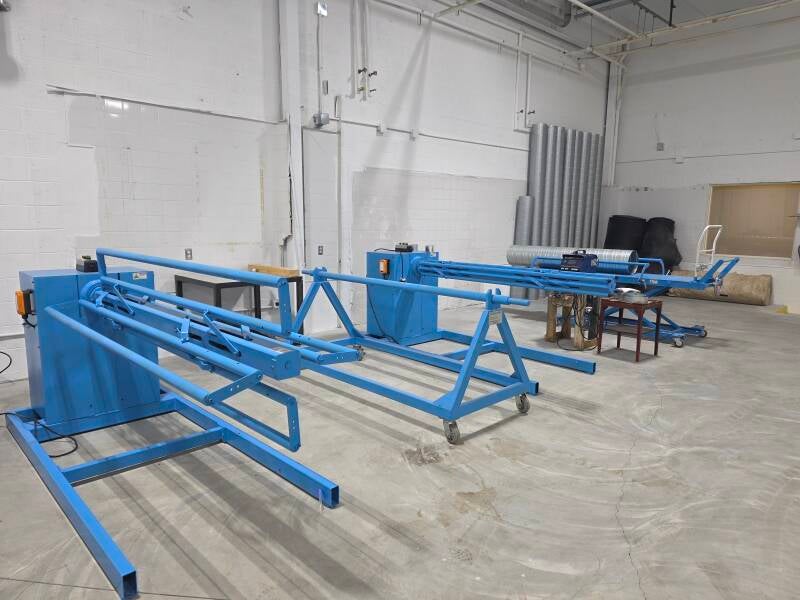
A dual insulated spiral duct (also known as double-wall spiral duct) is a premium, high-performance ductwork system designed for superior thermal efficiency, excellent acoustics, and maximum indoor air quality.
Unlike standard single-wall ductwork, a dual insulated system uses a "sandwich" construction consisting of an outer shell, an inner liner, and a layer of insulation trapped securely between them.
The Anatomy of a Dual Insulated Spiral Duct
A typical double-wall section consists of three distinct layers:
-
Outer Pressure Shell: This is the visible, heavy-gauge spiral-wound metal duct (typically galvanized steel, aluminum, or stainless steel). It acts as the primary barrier, containing the system air pressure and protecting the inner components from damage.
-
Insulation Layer: Sandwiched in the middle is a thick layer of high-density fiberglass, mineral wool, or elastomeric foam insulation. This layer typically ranges from 1 to 2 inches in thickness, providing excellent thermal resistance (R-value).
-
Inner Metal Liner: This holds the insulation in place and protects it from the high-velocity airflow moving through the system. Depending on the design goals, this liner comes in two main types:
-
Solid Inner Liner: Completely seals the insulation away from the airstream.
-
Perforated Inner Liner: Features thousands of tiny holes that allow sound waves to pass through into the insulation layer for advanced noise reduction.
-
Key Benefits and Advantages
1. Superior Acoustical Performance (Sound Attenuation)
When built with a perforated inner liner, dual insulated spiral ducts act as a continuous silencer. Sound waves from fans, dampers, and air turbulence pass through the perforations and are absorbed by the insulation. This significantly reduces crosstalk and equipment noise traveling through the building without requiring bulky, add-on silencers.
2. Excellent Thermal Efficiency & Condensation Control
The built-in insulation maintains the temperature of the air being transported, drastically reducing energy loss as air travels from the HVAC unit to its destination. Furthermore, by preventing the outer metal surface from reaching dew point temperatures, it completely eliminates the risk of external duct condensation ("sweating") in unconditioned spaces.
3. Maximum Indoor Air Quality (IAQ)
In traditional single-wall systems where insulation is wrapped on the inside (internal duct liner), fiberglass fibers can erode over time and enter the breathing air. A dual insulated duct completely solves this:
-
The inner metal liner acts as a solid physical shield, preventing airflow from tearing away or eroding the insulation fibers.
-
It creates a smooth interior surface that resists dust accumulation and is easy to clean or wipe down.
4. Aesthetic Appeal for Open-Ceiling Designs
In modern architectural designs with exposed ceilings, wrapping a standard duct in external fiberglass insulation looks messy and unappealing. Dual insulated spiral ducts keep the insulation completely hidden on the inside, leaving a sleek, clean, industrial metal finish on the outside that can be easily painted.
Primary Applications
Because of their performance and aesthetics, double-wall spiral ducts are commonly used in:
-
Exposed Architectural Spaces: Office lobbies, modern restaurants, retail stores, and schools with open-plenum ceilings.
-
Acoustically Sensitive Environments: Concert halls, recording studios, theaters, high-end conference rooms, and hospitals where low ambient noise is critical.
-
High-Velocity HVAC Systems: Systems where high air speeds would otherwise cause excessive noise or fiber erosion in standard lined ducts.
-
Outdoor Duct Runs: Rooftop applications where the duct is exposed to weather and requires durable protection over its thermal barrier.