

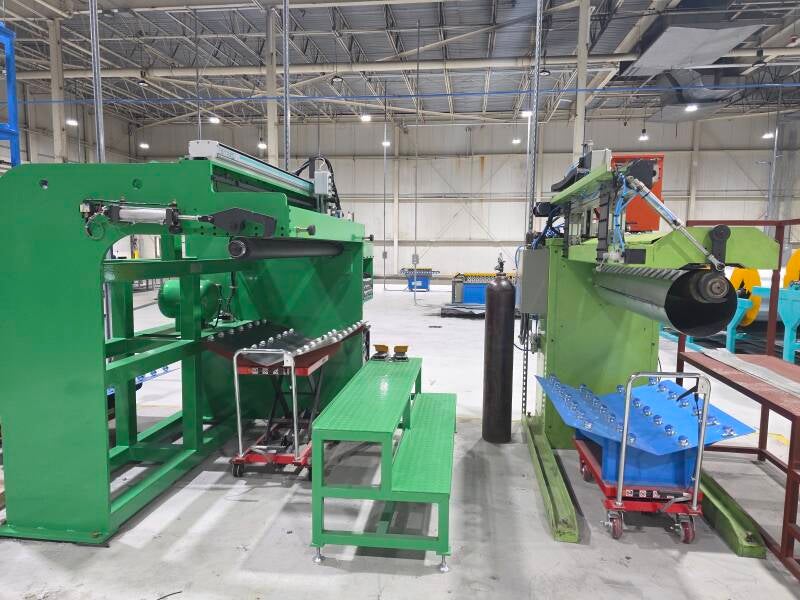
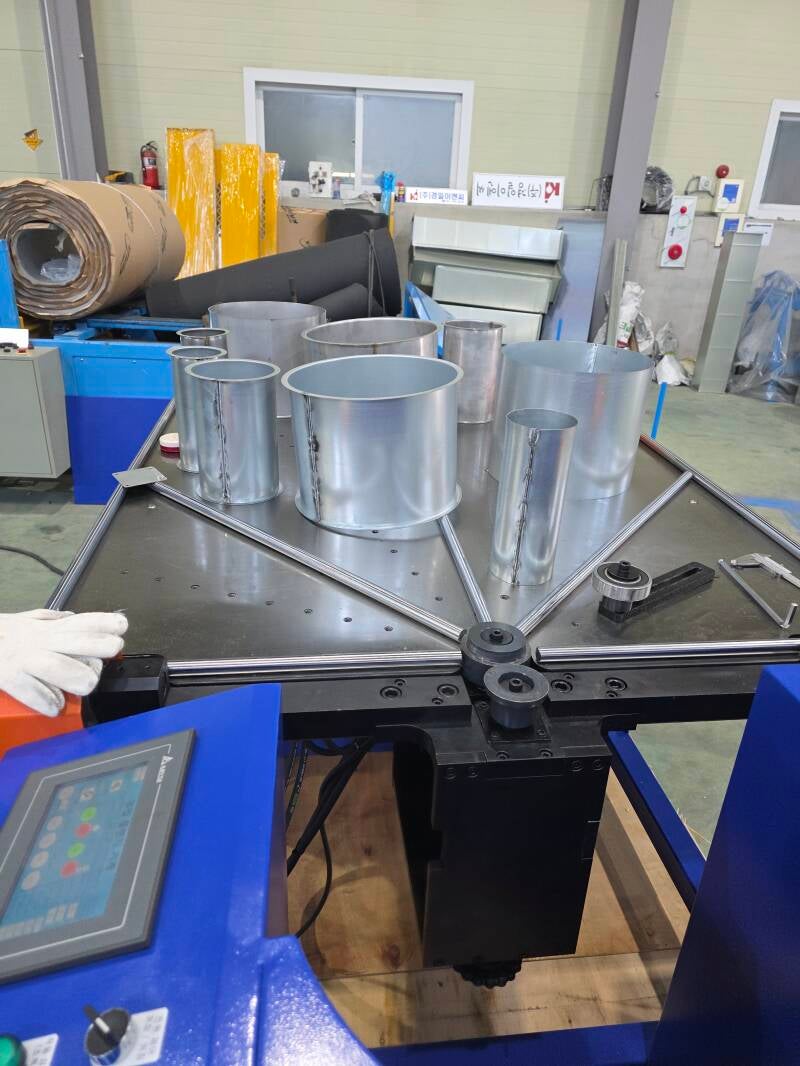
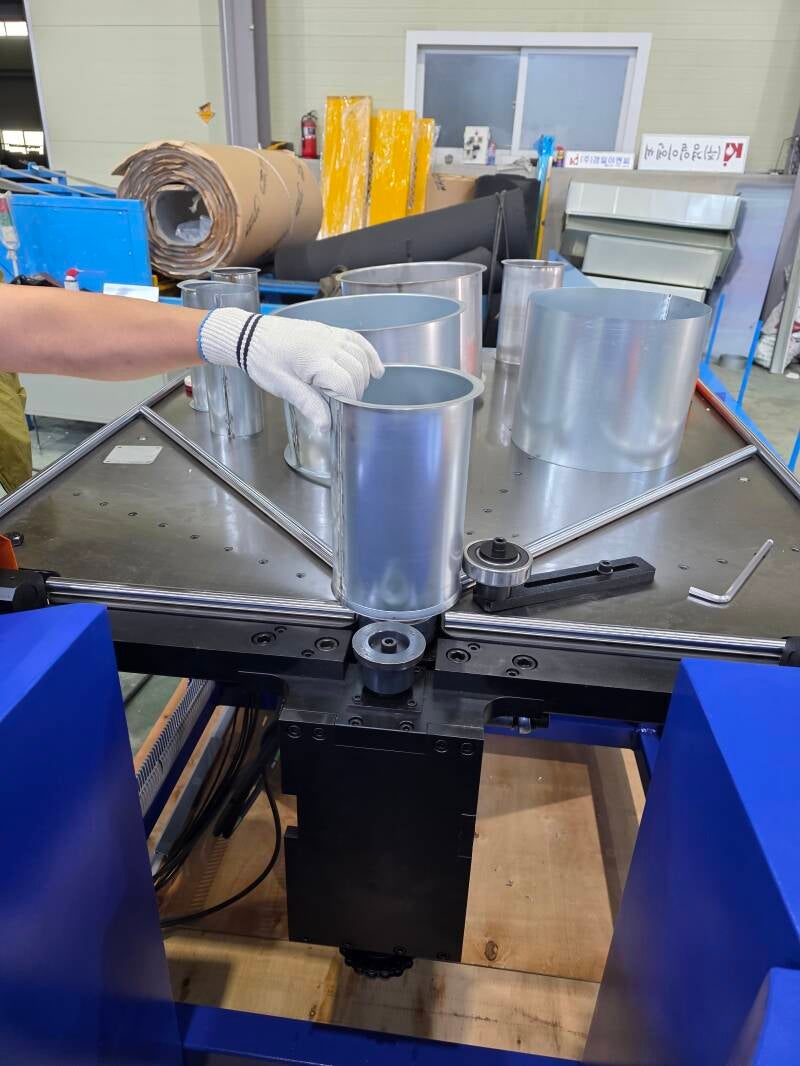
What is a Welding Duct?
A welding duct (often referred to as a welded duct) is a specialized type of ventilation ductwork specifically engineered to handle high-temperature exhaust, abrasive particles, corrosive fumes, and flammable residues.
Unlike standard commercial ductwork—which is typically folded and locked together using mechanical seams (like Pittsburgh or snap-lock seams)—welding ducts feature permanently welded joints and seams. This continuous, solid metal construction ensures an airtight, leak-proof, and structurally robust system.
Key Characteristics & Construction
-
Continuous Welded Seams: The longitudinal and transverse joints are fully welded (typically using TIG or MIG welding processes). This eliminates any gaps, ensuring that hazardous fumes or fine dust cannot escape into the surrounding work environment.
-
Heavy-Gauge Materials: To withstand intense heat and abrasive materials, welding ducts are fabricated from thicker, more durable metals than standard HVAC ducting. Common materials include:
-
Black Iron / Carbon Steel: Often used for high-temperature exhaust and industrial grease ducts. It is typically coated or painted on the outside to prevent corrosion.
-
Stainless Steel (304 or 316): Ideal for highly corrosive environments, chemical fumes, or cleanroom applications where moisture and rust resistance are critical.
-
-
Leak-Proof Integrity: Because there are no mechanical joints, gaskets, or sealants that can degrade over time under high heat, the risk of toxic or flammable leaks is virtually zero.
Primary Applications
Welding ducts are vital in heavy industrial, manufacturing, and commercial settings where standard ventilation would fail or pose a safety hazard:
-
Fume Extraction Systems: Capturing and safely removing toxic gases, smoke, and particulate matter generated during industrial welding, plasma cutting, and laser engraving processes.
-
Commercial Kitchen Hood Exhaust (Grease Ducts): National fire codes (such as NFPA 96) mandate liquid-tight, continuously welded steel or stainless steel ducts for commercial kitchen hoods to prevent flammable grease leaks and withstand potential grease fires.
-
Chemical & Process Ventilation: Moving highly corrosive chemical vapors, acid mist, or hazardous gases away from laboratory or production floors.
-
High-Dust & Abrasive Material Handling: Transporting airborne particulate matter, wood dust, metal shavings, or grain that would quickly erode or clog lighter, seamed ductwork.
Advantages of Welding Ducts
1. Enhanced Fire Safety
Because the duct is a single, continuous piece of heavy metal, it can contain internal fires (such as a grease fire or a spark-ignited dust explosion) much longer than standard ductwork, preventing the fire from spreading through the building envelope.
2. Zero Leakage
Mechanical seams can leak air and liquid under high pressure. Welded ducts offer total containment, ensuring that 100% of the captured hazardous fumes reach the filtration or exhaust destination.
3. High Durability & Longevity
They are highly resistant to negative pressure collapse, physical impact, thermal expansion, and the constant friction caused by abrasive materials moving at high velocities.
4. Reduced Maintenance
Without sealants or mechanical fasteners to dry out, loosen, or fail due to heat cycles, welded systems require significantly less structural maintenance over their lifespan.