

Duct Clamps
What is a Duct Clamp?
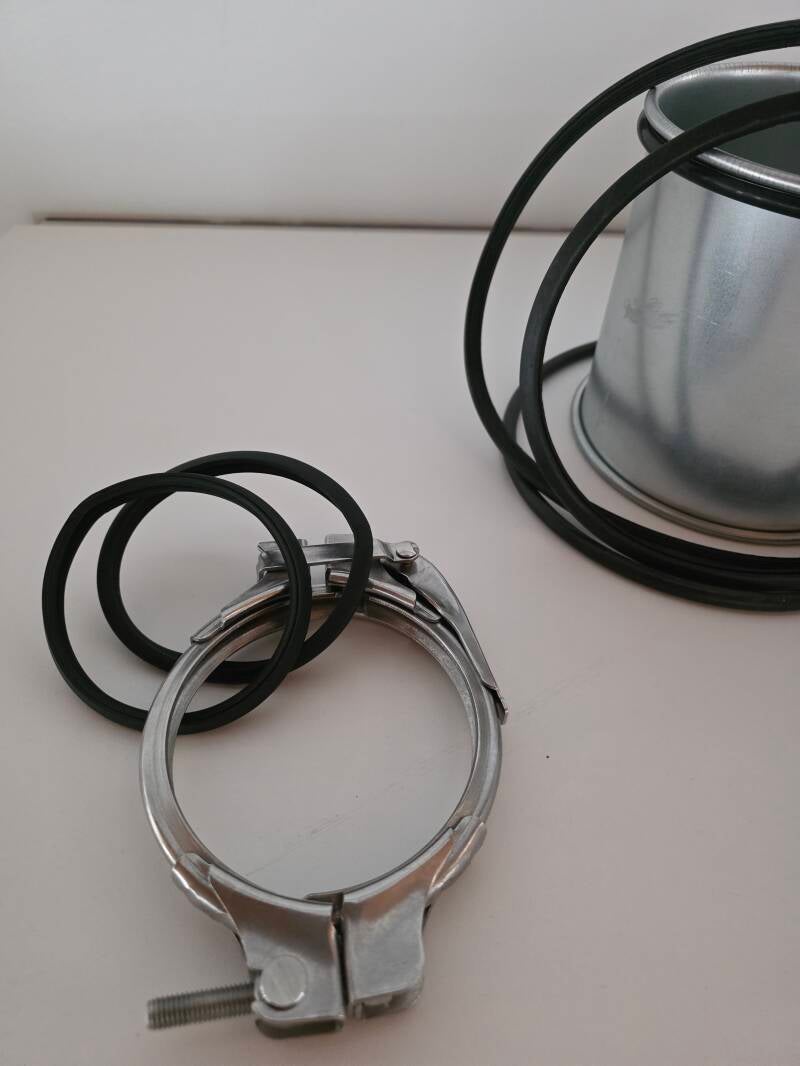
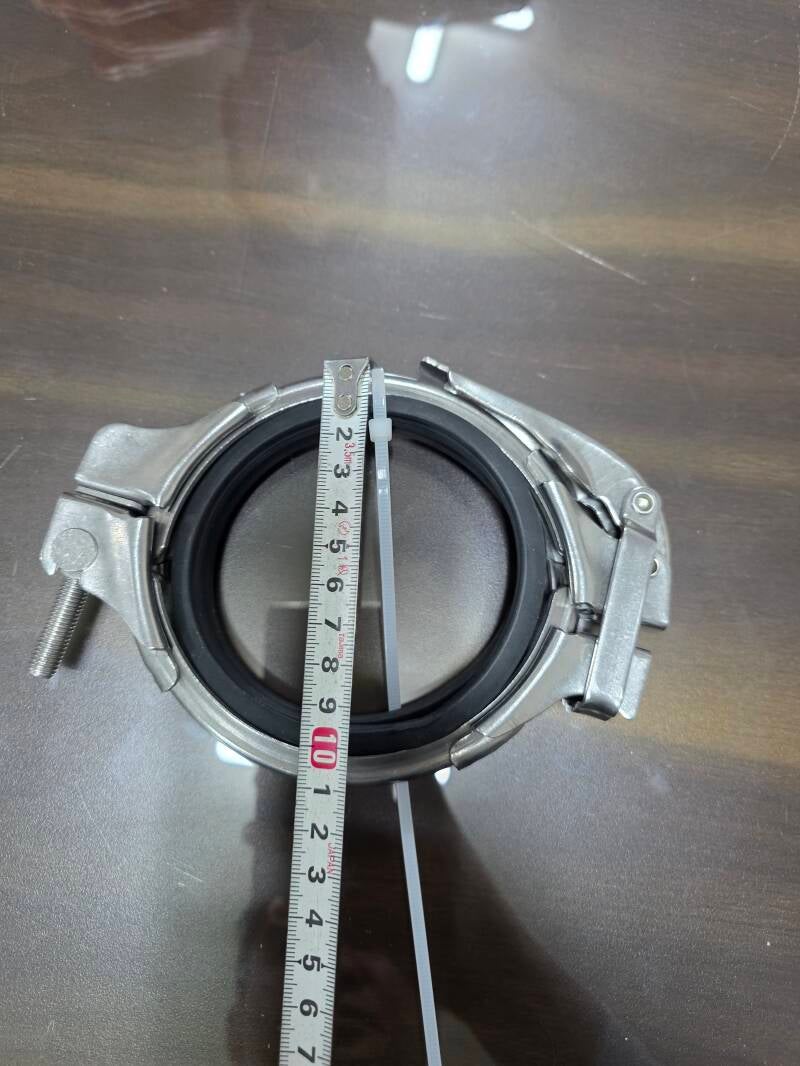
A duct clamp is a specialized mechanical fastening device used to connect, secure, and seal two sections of ductwork or to attach flexible ducting to solid metal collars.
Unlike permanent joints that require welding or screws, duct clamps provide a secure, heavy-duty connection that can be installed quickly and removed easily for maintenance, cleaning, or system reconfigurations.
Key Types of Duct Clamps
Depending on the pressure requirements and the type of ductwork being joined, different styles of clamps are utilized:
1. Quick-Release / Lever-Action Clamps
These clamps feature a built-in over-center lever or latch mechanism. They are designed specifically for flanged or rolled-edge ductwork.
-
How they work: The clamp wraps around the mated edges of two ducts, and pulling the lever down tightly locks them together.
-
Best for: Systems that require frequent disassembly for deep cleaning, such as dust collection systems or commercial grease exhausts.
2. Bolt-Secured Segmented Clamps
Instead of a quick-release lever, these heavy-duty clamps use one or two bolts to tighten the metal band around the duct joint.
-
How they work: Tightening the bolts provides high, uniform mechanical pressure around the entire circumference.
-
Best for: High-pressure industrial ventilation, heavy-gauge flanged ducts, and environments with high vibration where a latch could accidentally pop open.
3. Worm-Gear / Band Clamps
These are adjustable, lightweight metal bands featuring a screw-gear mechanism (similar to a large hose clamp).
-
How they work: Turning the screw tightens the band around the overlapping joint.
-
Best for: Securing flexible ducting, thin plastic hoses, or lightweight round metal ducts in low-pressure HVAC applications.
Features of High-Quality Duct Clamps
-
Integrated Gaskets: Premium duct clamps often come with an internal rubber or silicone gasket (such as EPDM or NBR). When the clamp is tightened, this rubber ring compresses against the metal, creating an airtight and liquid-tight seal that prevents air loss or fume leakage.
-
Durable Metallurgy: They are typically fabricated from heavy-duty galvanized steel for general use, or stainless steel (304 or 316) for chemical-resistant, corrosive, or outdoor environments.
-
Adjustability: Many styles feature adjustable tension bolts, allowing installers to fine-tune the clamping force to ensure a perfect fit without crushing the duct metal.
Primary Advantages
1. Fast and Easy Installation
Duct clamps eliminate the need for drilling dozens of sheet metal screws, riveting, or on-site welding. This slashes labor hours during large-scale industrial installations.
2. Easy Maintenance and Cleaning
In dust collection, woodworking, or chemical systems, ducts can easily become clogged or caked with residue. Clamps allow maintenance crews to drop a single section of ductwork, clear the blockage, and reattach it in minutes without ruining the duct structure.
3. Modular Reconfigurability
If a factory floor layout changes or new machinery is added, a clamped duct system can be completely disassembled and rebuilt using the exact same components, making it highly cost-effective.
4. Smooth Airflow Profile
Because they clamp the system from the outside, they prevent the need for interior fasteners (like sheet metal screws) that pierce into the air stream. This prevents material buildup, snags, and friction loss inside the duct.