

Flange Ducts
What is a Flange Duct?
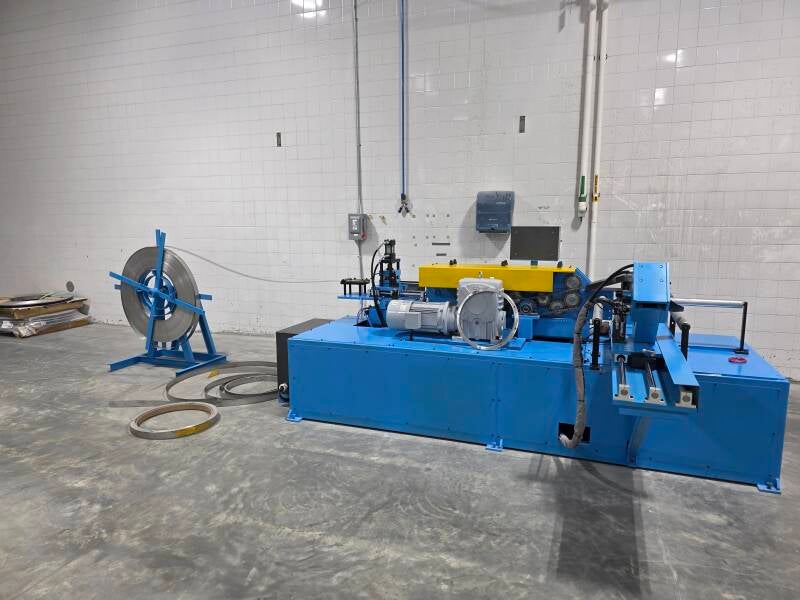
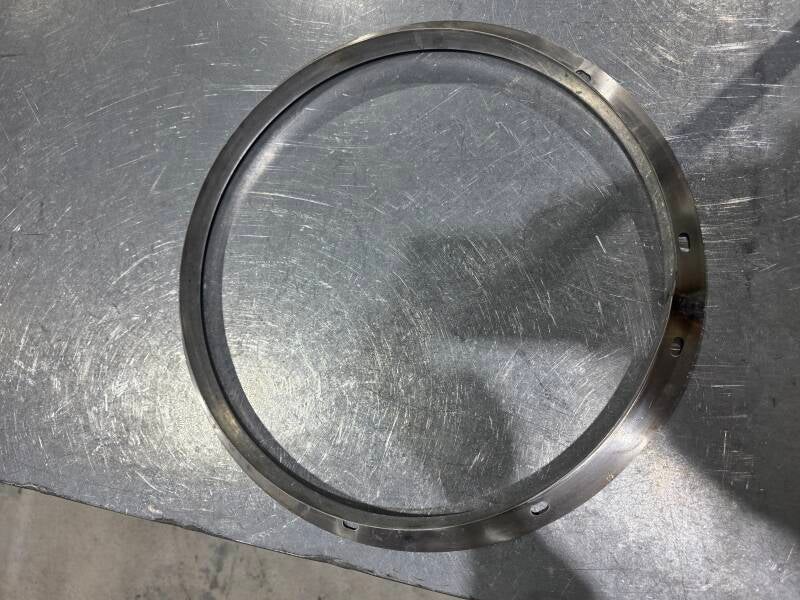
A flange duct is a type of ductwork section that features a raised, perpendicular outer rim or collar—called a flange—at both ends. Instead of sliding one duct section inside another (like a slip-joint), flange ducts are connected by lining up the faces of two flanges, placing a gasket between them to ensure an airtight seal, and securing them together using bolts, clamps, or specialized clips.
Flanges can either be formed directly out of the duct metal itself (matured or self-flanged) or attached separately as a factory-welded or companion angle iron ring.
Key Components of a Flanged Connection
-
The Flange Face: The flat, mating surface at the edge of the duct section.
-
Gaskets / Sealant: A thick, durable gasket material (often made of butyl tape, neoprene, or high-temperature silicone) is sandwiched between the two flanges to prevent any air or liquid leakage.
-
Fasteners: Heavy-duty bolts and nuts are typically spaced evenly around the perimeter of the flange to compress the gasket and lock the sections in place. For quicker installation, specialized duct clamps or slide-on cleats are sometimes used.
Primary Advantages of Flange Ducts
1. Exceptional Strength and Rigidity
The rolled or welded metal rim acts as a built-in structural reinforcement ring around the perimeter of the duct. This gives flange ducts immense structural integrity, making them highly resistant to warping, twisting, or collapsing under heavy internal air pressures (both positive and negative).
2. Superior Leak Prevention
Because the sections are bolted flat against each other with a compressed gasket in between, flange connections provide a highly secure, airtight, and liquid-tight seal. This is crucial for high-efficiency HVAC systems and industrial exhaust.
3. Ease of Assembly and Disassembly
Unlike permanently fastened or heavily sealed slip-joints, flanged ductwork can be easily unbolted. This makes it incredibly convenient for:
-
Reconfiguring a layout.
-
Conducting routine maintenance or deep cleanings.
-
Replacing a single damaged section without tearing down the entire run.
4. Ideal for Large Dimensions
As ductwork gets larger (especially square or rectangular ducts), standard mechanical joints tend to sag or leak. Flanges provide the heavy-duty framing required to keep large-scale industrial duct systems perfectly aligned and structurally sound.
Common Applications
Flange ducts are widely utilized across commercial and industrial mechanical systems, including:
-
High-Pressure HVAC Systems: Used in large commercial buildings, hospitals, and high-rise structures where standard duct connections would fail or leak under high air velocities.
-
Industrial Exhaust & Fume Extraction: Perfect for moving heavy particulate matter, chemical fumes, or high-temperature air where a perfect seal is mandatory for safety.
-
Dust Collection Systems: Used to transport wood shavings, metal dust, and grain, where smooth interior transitions are needed to prevent clogging.
-
Modular Duct Installations: Ideal for projects that require rapid on-site assembly of pre-fabricated duct sections.